1
/
of
1
The Alchemist Experience
Bioplastic Synthesis
Bioplastic Synthesis
Regular price
$39.95 USD
Regular price
Sale price
$39.95 USD
Quantity
Couldn't load pickup availability
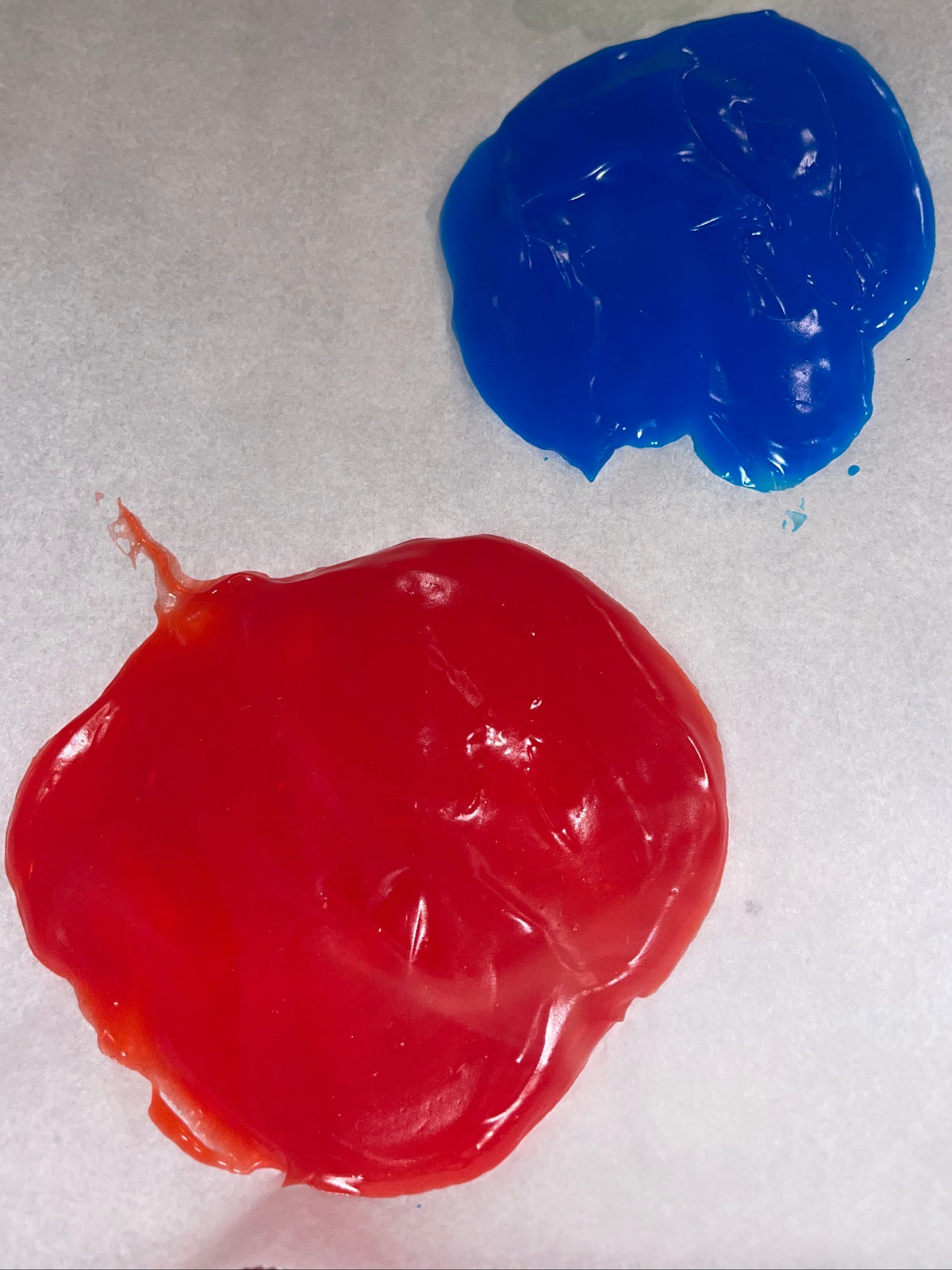
What if you could make actual plastic from cornstarch, vinegar, and glycerin in your kitchen, in under an hour, with zero toxic chemicals? This experiment does exactly that. Heat the mixture, watch it transform from a thin cloudy liquid into a thick, translucent gel right before your eyes, pour it onto a silicone mat or parchment paper, and come back the next day to find a genuine flexible bioplastic film you made from scratch. Press cookie cutters into the warm gel to make shaped pieces. Run three different formulas and compare the results: one standard, one with double the plasticizer (rubbery and soft), one with none (rigid and brittle as glass). The difference is dramatic and immediate and it's all explained by what glycerin molecules do to polymer chains at the molecular level. This is the same class of material used in biodegradable packaging, agricultural films, and medical sutures. The chemistry is real, the product is real, and it can go straight into your compost bin when you're done.
What's Included
- Cornstarch 30g — the polymer backbone
- White vinegar 30mL — processing acid and preservative
- Glycerin 99% pure 15mL — primary plasticizer
- Sorbitol 3g — co-plasticizer, reduces surface stickiness
- Printed worksheet with formula comparison table
You Provide
- Saucepan
- Baking tray
- Silicon mat or parchment paper
- Silicon spatula
- Thermometer
- Kitchen scale
- Stovetop
- Cookie cutters or aluminum foil to mold the plastic
- Food coloring (if desired)
- Table salt
Curriculum Connections
- NGSS HS-PS2-6 / MS-PS1-3 — Molecular structure determines material properties
- NGSS HS-ETS1-2/3 — Engineering design through formulation optimization
- AP Chemistry Unit 3 — Hydrogen bonding and intermolecular forces
- IB Chemistry Topic 4 & Option B — Polymer bonding, starch biochemistry
- Real-world: biodegradable packaging, agricultural films, medical sutures, green chemistry
♻ Waste Disposal
Rating: Easy
Every ingredient is food-safe and biodegradable. Finished plastic can be composted. Rinse water is safe to drain freely. Zero hazardous waste — the cleanest experiment in the series.
Share